CHAPTER ZERO
FROM THE CORE TO THE MULTIVERSE
One continuous journey outward. We begin nine thousand kilometres beneath your feet, rise through the atmosphere, cross the planets, leave the Sun behind, thread the spiral arms of the Milky Way, and finally look at the structure of everything that exists — and everything that might.
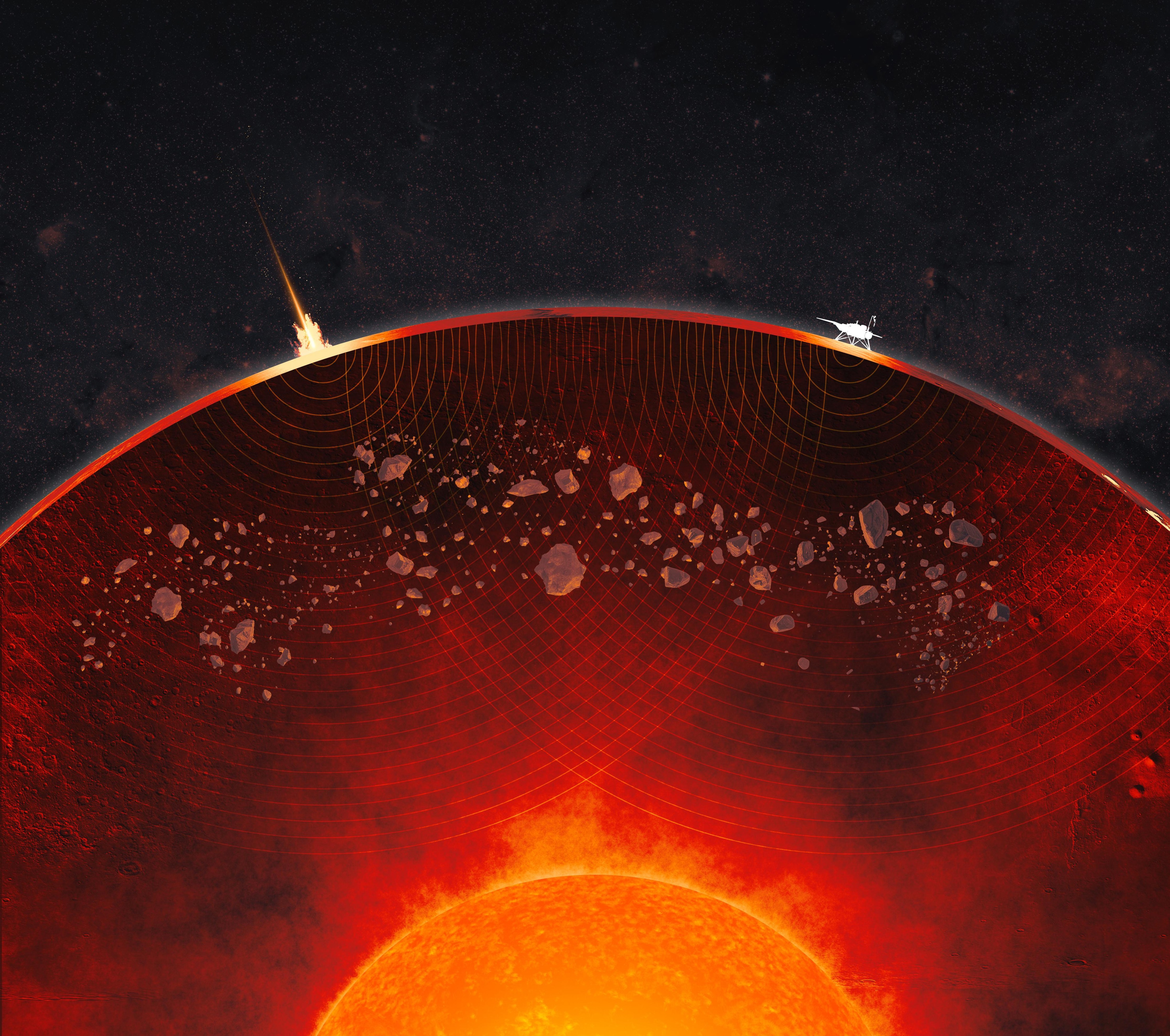
STAGE 01 — INNER EARTH
THE CORE
Earth is a layered engine. A solid iron-nickel inner core sits at roughly 5,200 degrees Celsius, held rigid by pressures over three million times that of the surface. Around it the liquid outer core churns, and that motion generates the magnetic field that deflects the solar wind.
Above the core, the mantle flows over geological time, dragging tectonic plates across the surface at about the speed a fingernail grows. Everything you see on the crust — ocean basins, mountain ranges, volcanic arcs — is the surface expression of that slow convection.
CORE TEMPERATURE
5,200 °C
RADIUS
6,371 km
MANTLE DEPTH
2,900 km
MAGNETIC SHIELD
Geodynamo
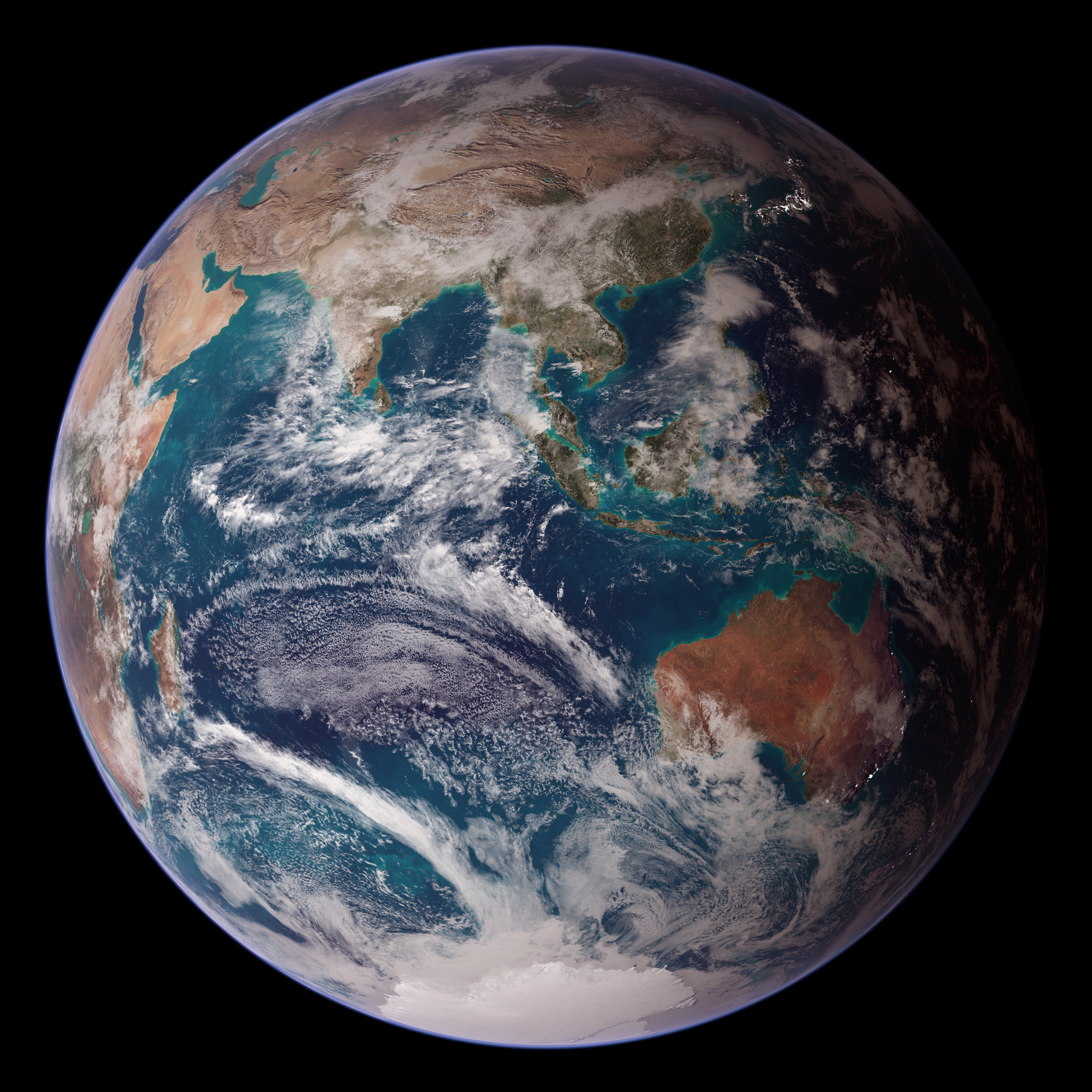
STAGE 02 — HOME WORLD
EARTH
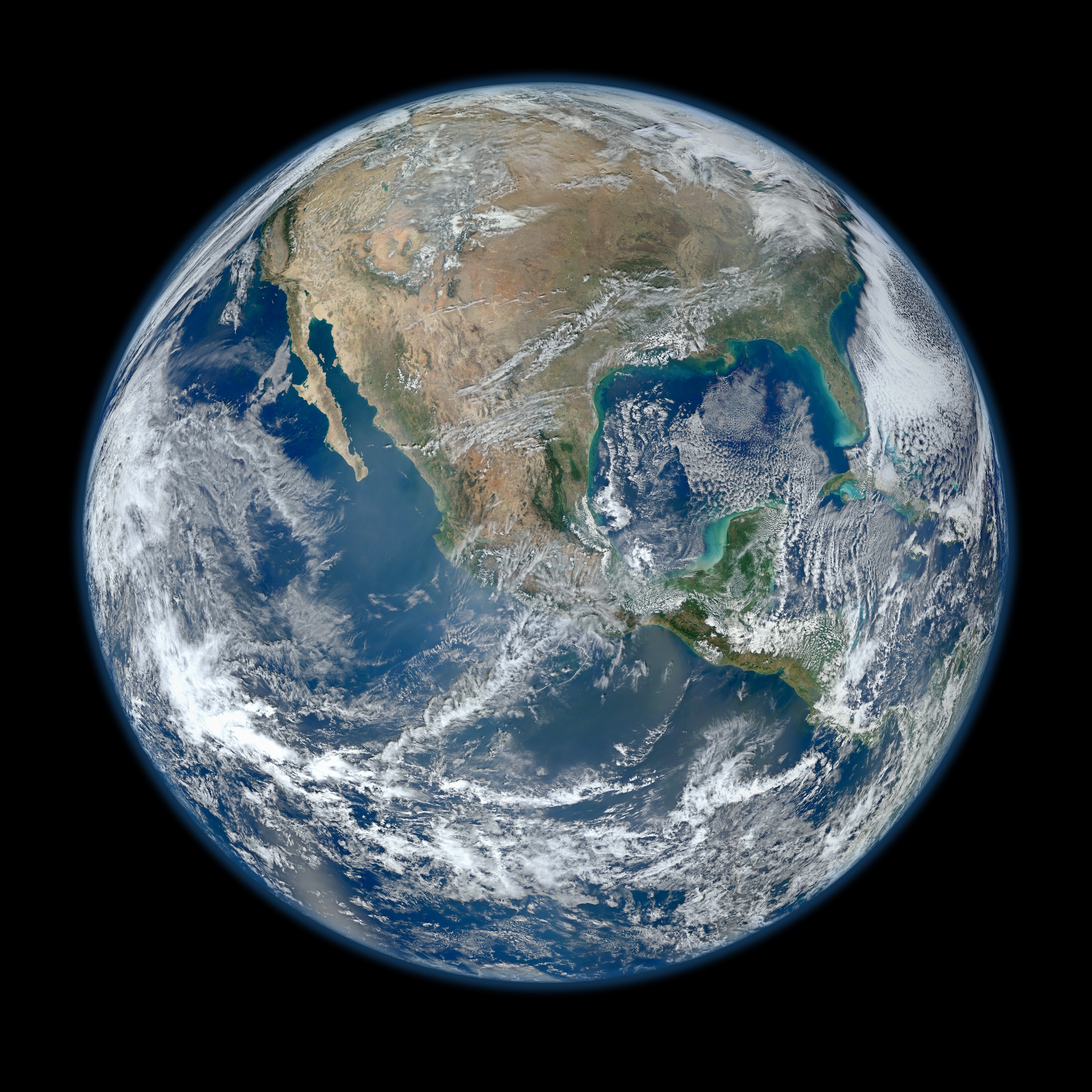
A rocky world 149.6 million kilometres from its star, rotating once every 23 hours 56 minutes, tilted 23.4 degrees — the tilt that gives us seasons. Seventy-one percent of the surface is liquid water, the only known planet where it is stable at all three phases.
Its atmosphere is a thin shell: 78 percent nitrogen, 21 percent oxygen, and a trace of carbon dioxide that regulates surface temperature. From orbit that shell reads as a blue line only a hundred kilometres thick.
ROTATION
23h 56m
ORBIT
365.25 days
MOONS
1
SURFACE WATER
71%
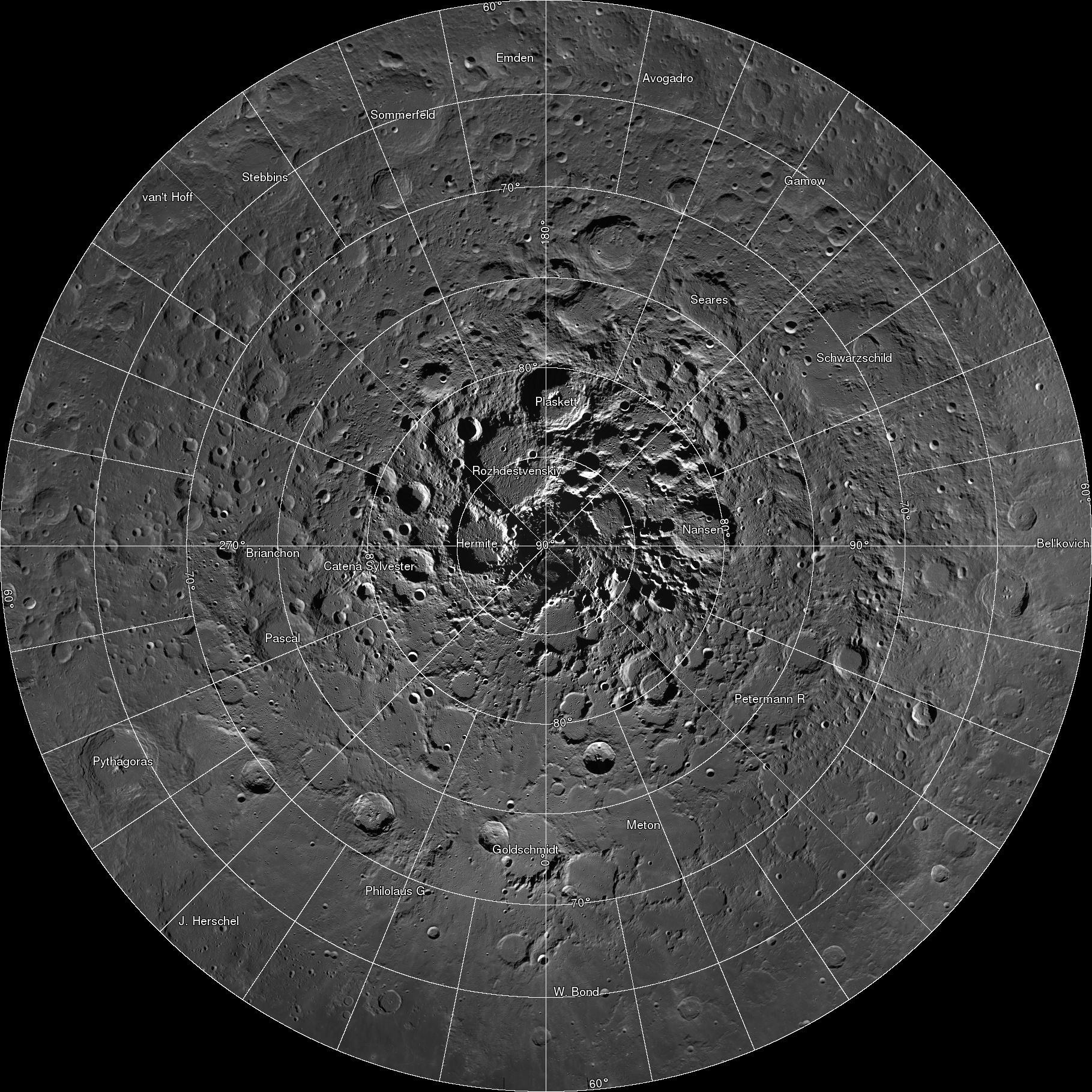
STAGE 03 — COMPANION
THE MOON
Formed some 4.5 billion years ago from debris of a giant impact, the Moon is tidally locked — it rotates once per orbit, so one face never turns toward us. Its gravity raises the ocean tides and stabilises Earth's axial tilt, keeping our climate from wandering.
With no atmosphere to erode them, its craters record four billion years of impacts almost unchanged. It is the only other world humans have stood on.
DISTANCE
384,400 km
GRAVITY
1/6 of Earth
ORBIT
27.3 days
DIAMETER
3,475 km
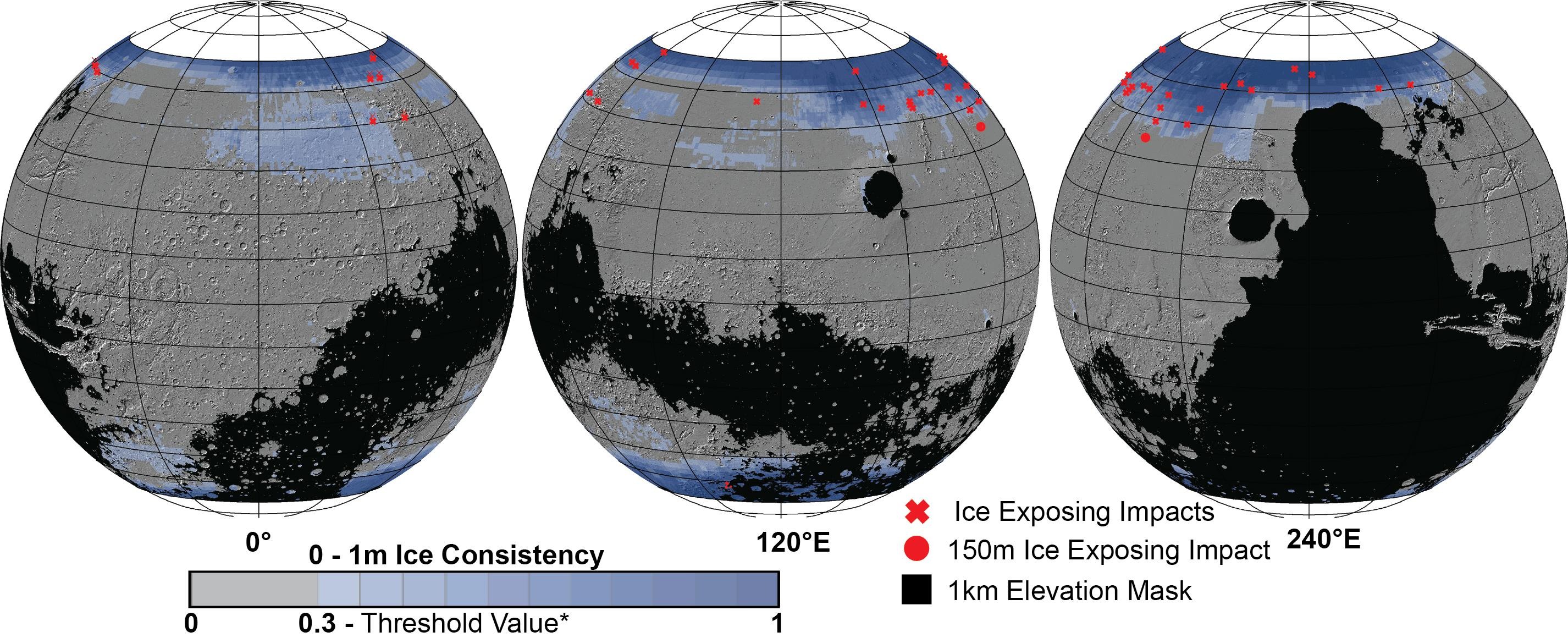
STAGE 04 — THE ROCKY WORLDS
MARS AND THE INNER PLANETS
Mercury is scorched and airless, Venus is a runaway greenhouse at 464 degrees Celsius under crushing cloud, and Mars is cold, dry and rusted. All three are terrestrial: dense, silicate crusts over metal cores.
Mars holds Olympus Mons, the tallest volcano in the solar system at 22 kilometres, and Valles Marineris, a canyon system that would span a continent on Earth. Beneath its surface, water ice remains — the reason it stays first on every crewed exploration roadmap.
MARTIAN DAY
24h 37m
OLYMPUS MONS
22 km high
ATMOSPHERE
95% CO₂
MOONS
Phobos, Deimos
STAGE 05 — THE GIANTS
JUPITER AND SATURN
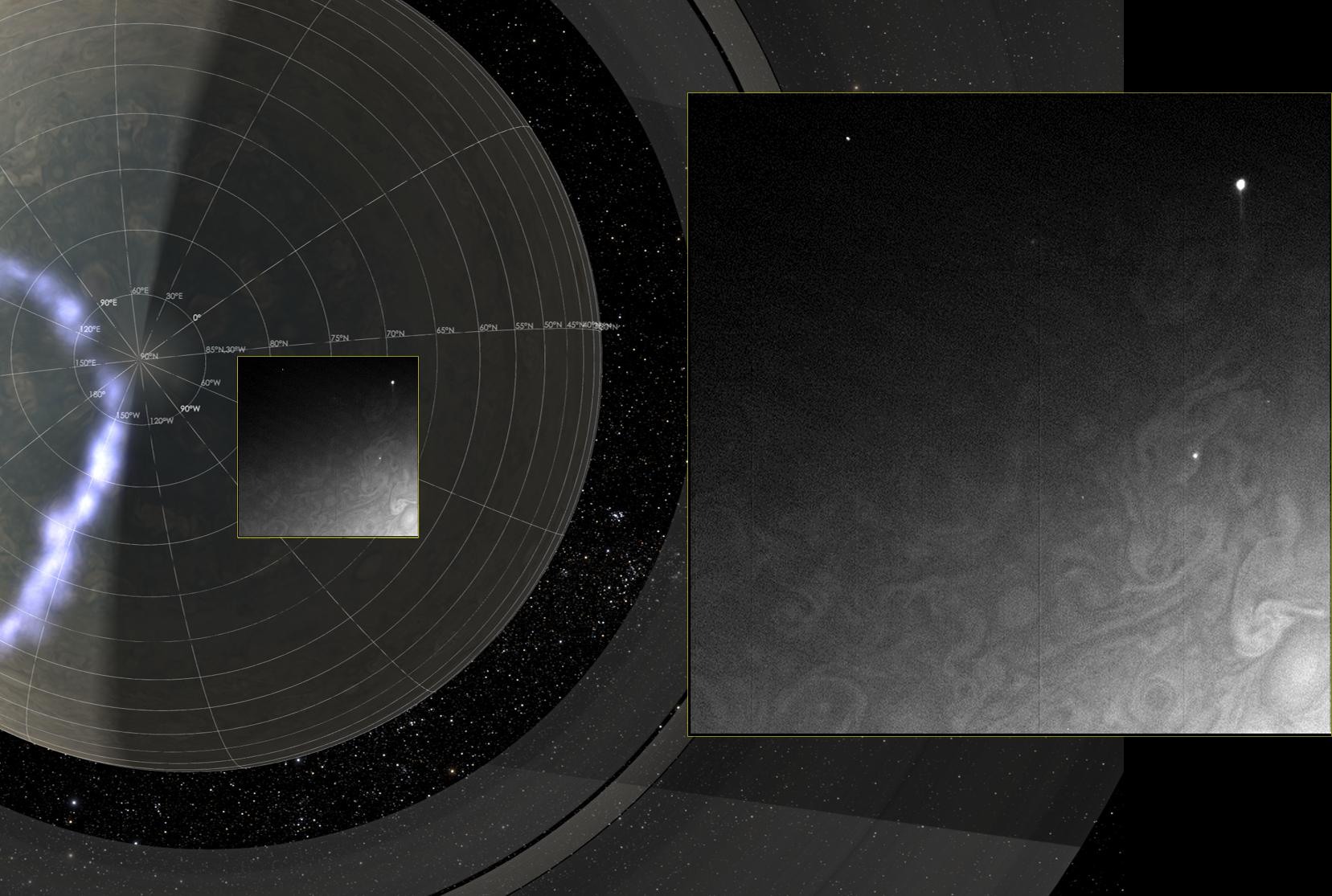
Jupiter carries more than twice the mass of every other planet combined. Its Great Red Spot is a storm wider than Earth that has been turning for centuries, and its magnetosphere is the largest structure in the solar system after the Sun's heliosphere.
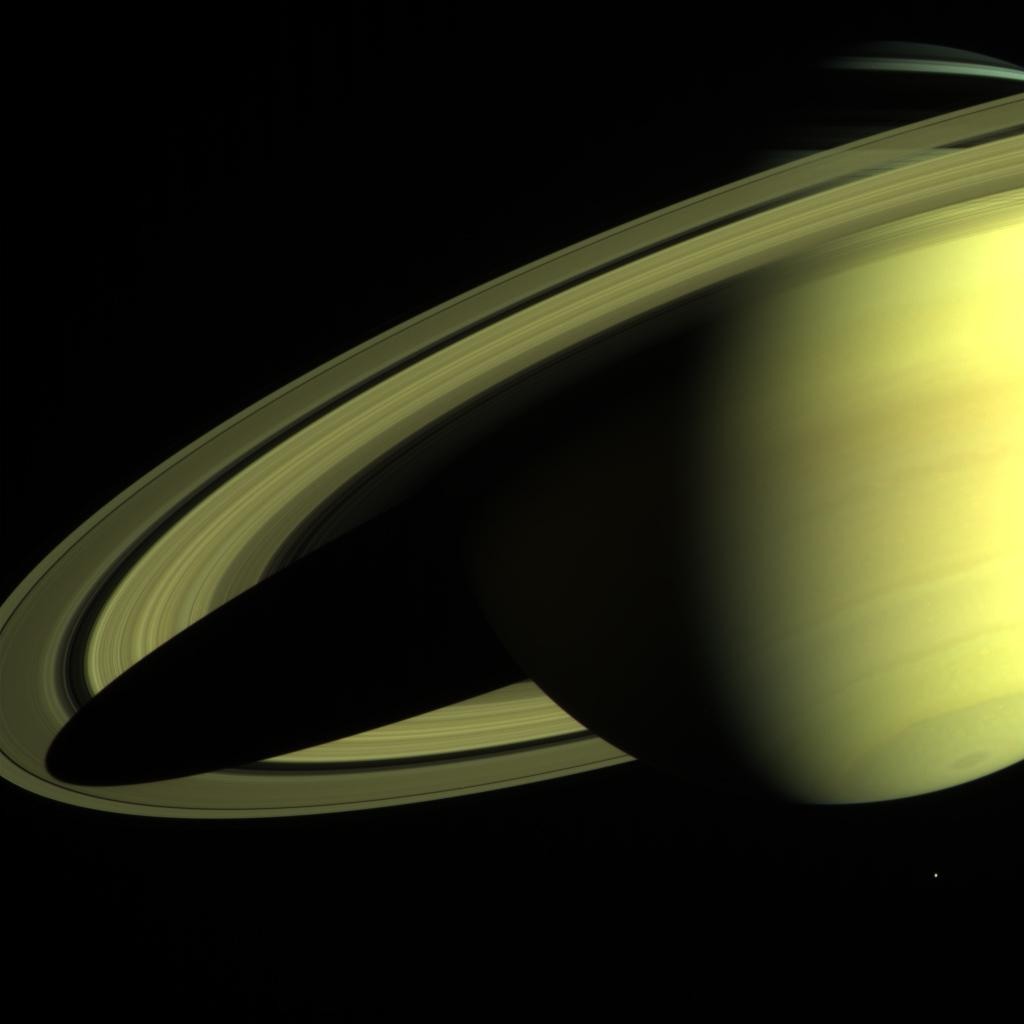
Saturn's rings are only tens of metres thick yet stretch 280,000 kilometres, made almost entirely of water ice. Between them these two worlds hold nearly 250 confirmed moons, including Europa and Enceladus, both with liquid oceans under ice.
JUPITER MASS
318 × Earth
DAY LENGTH
9h 56m
SATURN RINGS
280,000 km
KNOWN MOONS
~250
STAGE 06 — ICE AND EDGE
URANUS, NEPTUNE AND THE KUIPER BELT
The ice giants are worlds of water, methane and ammonia over rocky cores. Uranus rotates on its side at a 98 degree tilt; Neptune drives the fastest winds ever measured, over 2,000 kilometres per hour.
Beyond Neptune, the Kuiper Belt holds Pluto and millions of icy bodies, and far past that the theorised Oort Cloud marks the true gravitational edge of the Sun's domain, roughly a light-year out.
NEPTUNE WINDS
2,100 km/h
URANUS TILT
98°
KUIPER BELT
30–50 AU
OORT CLOUD
~1 light-year
STAGE 07 — THE SYSTEM
THE SOLAR SYSTEM
One star, eight planets, five recognised dwarf planets, hundreds of moons and countless asteroids and comets, all bound to a fusion furnace that converts four million tonnes of matter into light every second. The Sun holds 99.86 percent of the system's mass, and the whole assembly orbits the galactic centre once every 230 million years.
STAR AGE
4.6 Gyr
SUN'S MASS
99.86%
GALACTIC YEAR
230 Myr
LIGHT TO EDGE
~1 year
INTERACTIVE MODEL — DRAG TO ROTATE
DRAG TO ROTATE · TAP A PLANET
SPACE / SELECTED BODY
Earth
The only world we know where liquid water, a magnetic shield and a breathable atmosphere hold together at the same time.
- YEAR
- 365.25 days
- DAY
- 23h 56m
- WATER
- 71% of surface
STAGE 08 — THE GALAXY
THE MILKY WAY
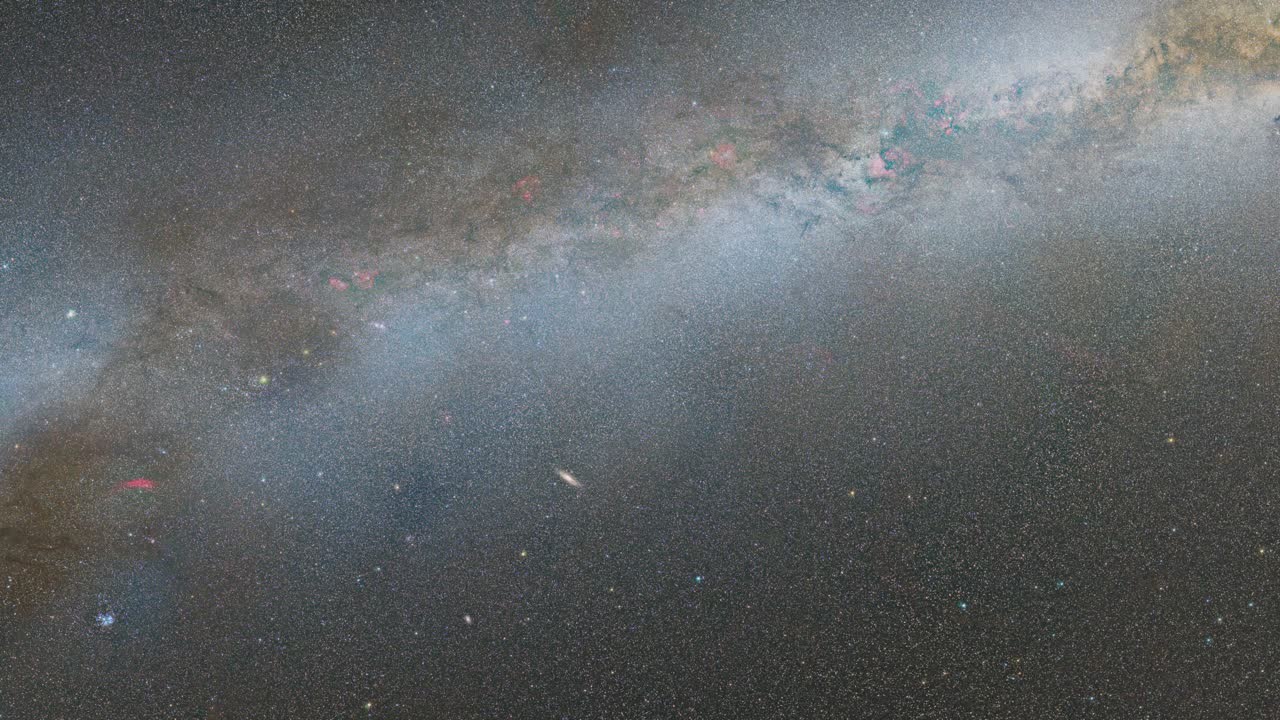
A barred spiral roughly 100,000 light-years across, holding between 100 and 400 billion stars. Our Sun sits in the Orion Arm, about 26,000 light-years from the centre, moving at 828,000 kilometres per hour.
At the core lies Sagittarius A*, a supermassive black hole of 4.3 million solar masses. Beyond the visible disc, a halo of dark matter outweighs all the stars and gas combined — the reason the galaxy holds together at all.
DIAMETER
100,000 ly
STARS
100–400 bn
CENTRAL MASS
4.3M suns
OUR DISTANCE
26,000 ly
STAGE 09 — STELLAR DEATH
SUPERNOVAE AND THE ELEMENTS
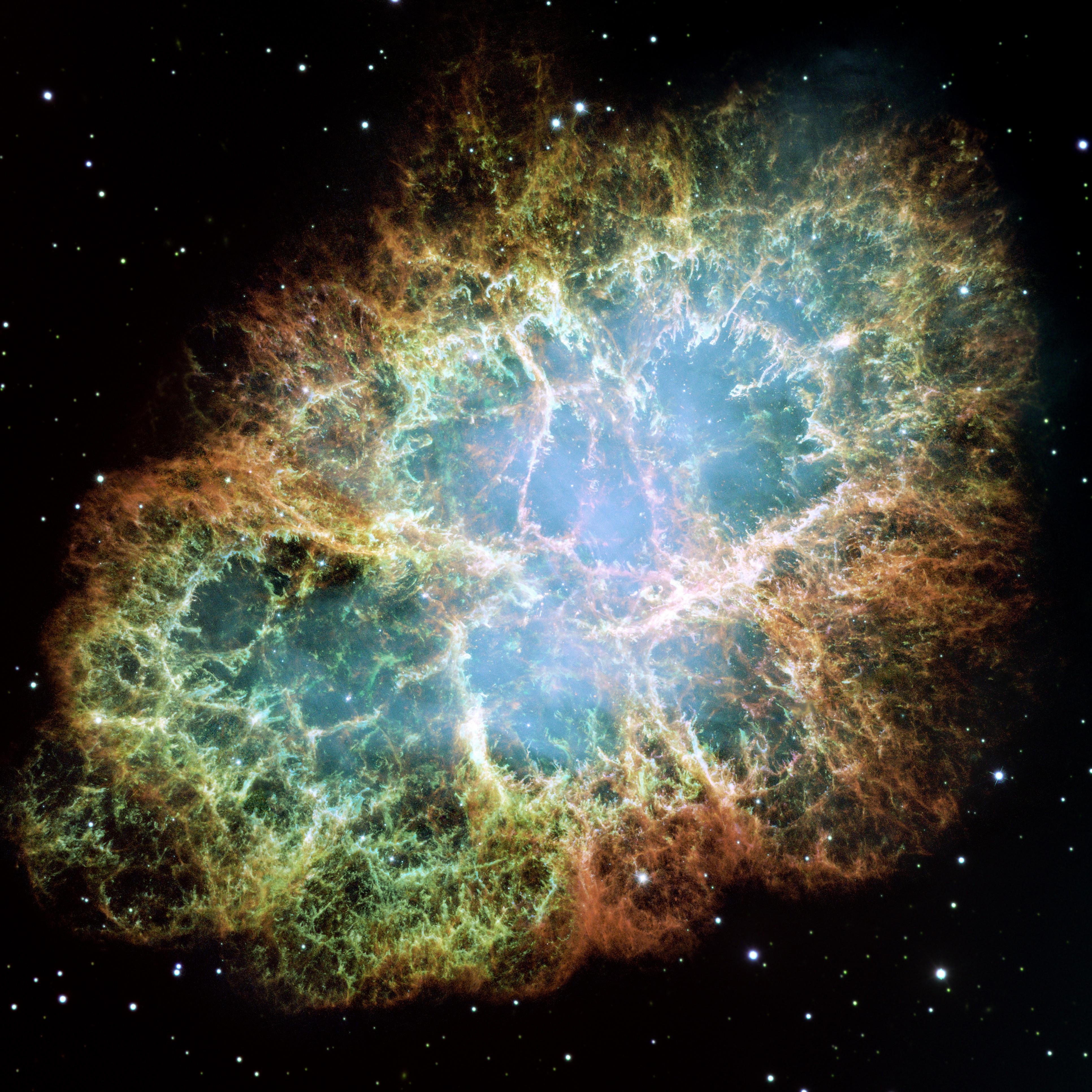
Every element heavier than iron in your body was forged in stellar violence — core-collapse supernovae and neutron star mergers. A single supernova can briefly outshine an entire galaxy and seed thousands of light-years with carbon, oxygen and gold.
What remains collapses into a neutron star dense enough that a teaspoon would weigh a billion tonnes, or into a black hole, where spacetime curvature closes over itself.
PEAK OUTPUT
10²⁸ suns
NEUTRON STAR
20 km wide
SPIN RATE
716 Hz
ELEMENTS MADE
Fe → U
STAGE 10 — EVERYTHING WE CAN SEE
THE OBSERVABLE UNIVERSE
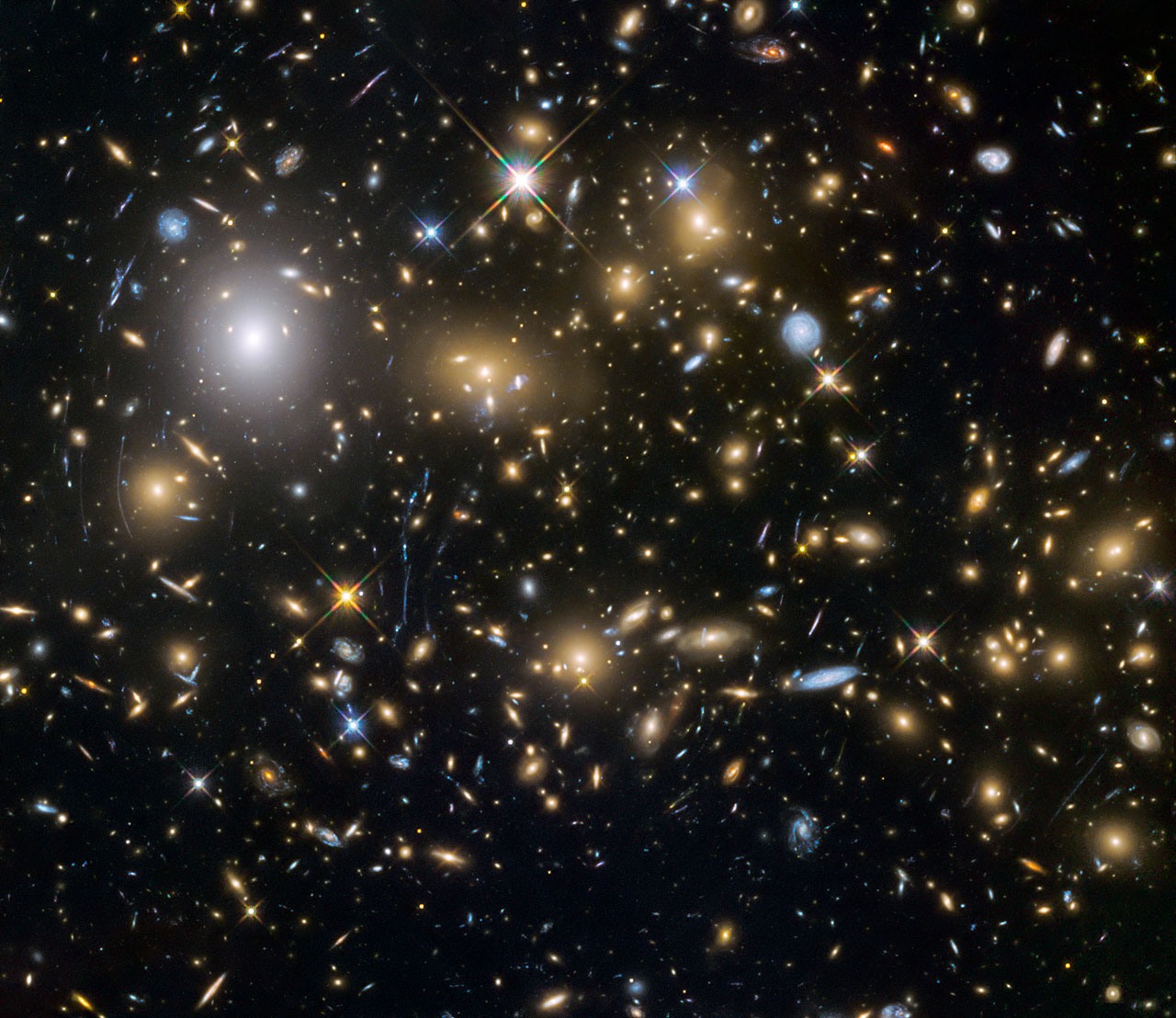
Ninety-three billion light-years across and 13.8 billion years old. Galaxies are not scattered at random: gravity has pulled them into filaments and sheets around vast empty voids — the cosmic web. Ordinary matter accounts for only five percent of it. Twenty-seven percent is dark matter, and sixty-eight percent is dark energy, pushing expansion faster every year.
AGE
13.8 Gyr
DIAMETER
93 bn ly
GALAXIES
~2 trillion
DARK ENERGY
68%
STAGE 11 — BEYOND THE HORIZON
THE MULTIVERSE
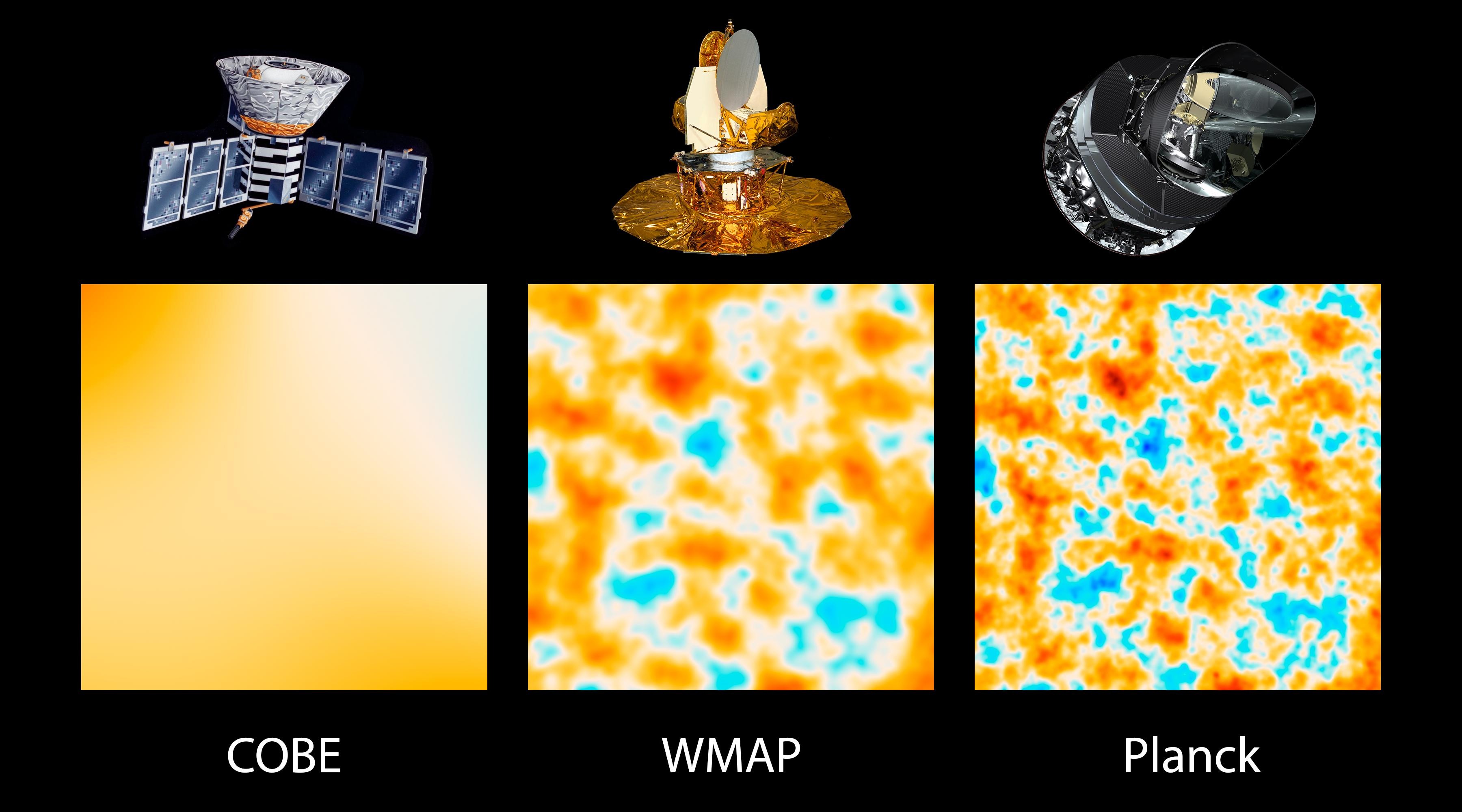
Inflation theory predicts that the rapid expansion which began the universe never fully stopped everywhere — it continues in regions we can never reach, budding off pocket universes with their own physical constants. That is the bubble multiverse.
Other models stack on top of it: the many-worlds reading of quantum mechanics, where every measurement branches reality; brane cosmology, where our four dimensions float in a higher-dimensional bulk; and the mathematical universe hypothesis, where every consistent structure exists.
None of these are confirmed. All of them are the honest edge of what physics can currently say — and that edge is exactly where the interesting work is.
MODEL
Eternal inflation
BRANCHING
Many-worlds
DIMENSIONS
Brane bulk
STATUS
Untested